“‘That’s Not the Issue’: Jon Scheyer’s Calm Words After Texas Tech Loss Spark a Civil War Among Duke Fans”…Read More….
Duke’s loss to Texas Tech didn’t just end an 11-game winning streak — it opened the door to one of the most passionate internal debates the Blue Devils fanbase has seen this season. And at the center of it all was Jon Scheyer, whose post-game comments were measured, deliberate, and somehow more polarizing than any box score statistic.
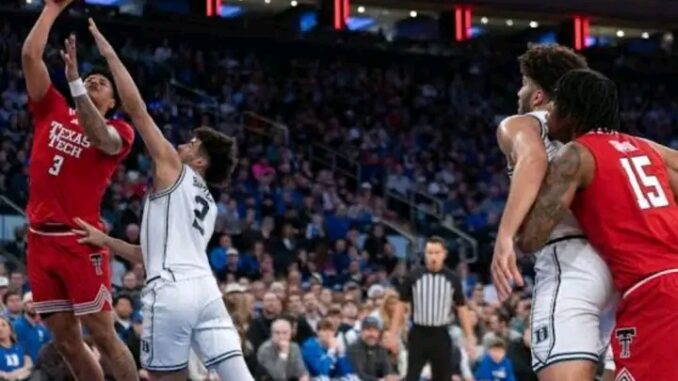
After the final buzzer, Scheyer was asked about what went wrong in a bruising loss that saw Duke struggle to find rhythm offensively while Texas Tech imposed its trademark physical defense. Instead of pointing fingers, citing officiating, or expressing frustration, Scheyer offered a calm assessment that quickly went viral among fans: “That’s not the problem.”
Those four words, delivered without emotion, ignited a firestorm.
To one side of the Duke fanbase, Scheyer’s response was exactly what they wanted to hear. They saw a coach refusing to overreact, refusing to make excuses, and refusing to let one loss define a season. In their view, Duke didn’t lose because of whistles, toughness, or effort — they lost because they didn’t execute well enough against a veteran, physical opponent. Scheyer’s message, they argue, was about growth. Fix the details, learn from the film, and move on.
But for another vocal segment of fans, the comments felt dismissive — even concerning.
Critics immediately zeroed in on what they believe was the problem: physicality. Texas Tech bullied Duke on the glass, disrupted passing lanes, and dictated tempo for long stretches of the game. To these fans, Scheyer’s insistence that this wasn’t the core issue sounded like denial. They wanted accountability, urgency, and acknowledgment that Duke was pushed around when the game got ugly.
Social media reflected the divide almost instantly. Some praised Scheyer’s poise, calling it “elite leadership” and comparing his calm approach to the long-view mentality Mike Krzyzewski often displayed after tough losses. Others accused him of downplaying obvious flaws, warning that similar issues could resurface in March if not addressed head-on.
What makes the disagreement even more fascinating is that both sides may be right.
Scheyer’s Duke teams have shown resilience, adaptability, and the ability to respond after setbacks. This loss doesn’t erase Duke’s talent, depth, or ceiling. At the same time, Texas Tech exposed areas that still need sharpening — ball security under pressure, rebounding toughness, and late-game composure against physical defenses.
Scheyer’s words weren’t meant to end the conversation. Instead, they reframed it.
Rather than panicking over a single result, he challenged his team — and indirectly, the fanbase — to think bigger. One loss doesn’t define Duke. How they respond to it does.
And judging by the intensity of the reaction, one thing is certain: Duke basketball still commands attention, emotion, and debate at a level few programs can match. The disagreement sparked by Scheyer’s comments isn’t a sign of weakness — it’s proof that expectations in Durham remain sky-high.
Whether Scheyer’s calm confidence proves prophetic or problematic will be decided on the court. Until then, the conversation is far from over.

Leave a Reply